In the video area, click Skip Ad to skip ads.
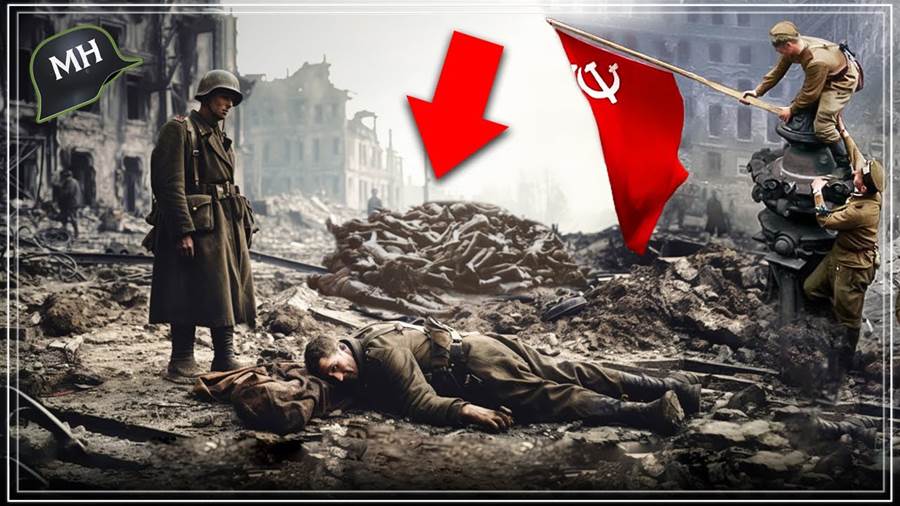
*]:pointer-events-auto scroll-mt-[calc(var(--header-height)+min(200px,max(70px,20svh)))]" tabindex="-1" dir="auto" data-turn-id="5b332ac3-1abf-43d3-a51e-e4dff3934f23" data-testid="conversation-turn-18" data-scroll-anchor="true" data-turn="assistant">On the surface, it looks like an ordinary stretch of Russian countryside: trees, mud, wind, and the constant hum of metal detectors. But just beneath the soil lies one of the most tragic layers of the 20th century. Here, search teams of volunteers and specialists are working to recover and identify the dead of World War II.The work begins with simple tools: shovels, probes, and detectors. If the ground has been disturbed before, the probe sinks in easily. If it meets resistance like wood, metal—or bone—the team slows down. Every signal could mean a piece of equipment, or the remains of a soldier who has lain hidden for more than 80 years.Soon, the finds begin to appear. A Russian rifle with its bayonet still attached. Pieces of corrugated metal. Rusted tools. Helmets caked with soil. Some objects will later be cleaned in cola, citric acid, or other mild solutions to reveal markings and details. The atmosphere swings between jokes, music, and banter—and sudden silence when something serious emerges from the earth.Then the bones begin to surface.Carefully, the diggers lift skulls, vertebrae, ribs, and long bones from the ground. Many carry visible wounds. One skull shows a clean entry wound at the neck with a large exit at the back of the head—evidence of a fatal gunshot. Another helmet has a perfectly round hole; inside, the corresponding skull bears the same small shrapnel puncture. When the earth is shaken loose from the helmet, the team even finds the tiny metal fragment that killed the soldier.Some injuries tell longer stories. A bone with an old, badly healed fracture suggests a wound that was never properly treated, likely belonging to a young man whose body simply adapted and carried on—until war caught up with him again.This is not a single grave, but part of a much larger picture. The team explains that in this region, 500 to 1,000 Red Army soldiers are found each year, many in mass graves. In one pit, several bodies lie together, their remains intertwined. Here, the dead are not just numbers; each one is a person waiting to be named, if possible.Identification is rare but deeply meaningful when it happens. Sometimes it comes from a spoon with a name or initials scratched into the handle, sometimes from a tag, a personal object, or a marked item of kit. In one case, a spoon bearing a surname and village inscription allows the team to trace the fallen soldier’s home.A relative arrives—grateful and emotional. He says he is glad that his family now knows where their missing loved one will be buried. They will come here, he promises, to visit his grave. He thanks the search group for their work, knowing that without them, his relative would have remained lost forever.Around them, the team stands quietly. They joke, they work, they struggle in the mud like any group of friends on a tough job—but they also carry a heavy sense of responsibility. Each bone, each helmet, each name is a fragment of a human life interrupted by war.For them, this is not just archaeology. It is an act of remembrance and a final service to soldiers who never made it home.