In the video area, click Skip Ad to skip ads.
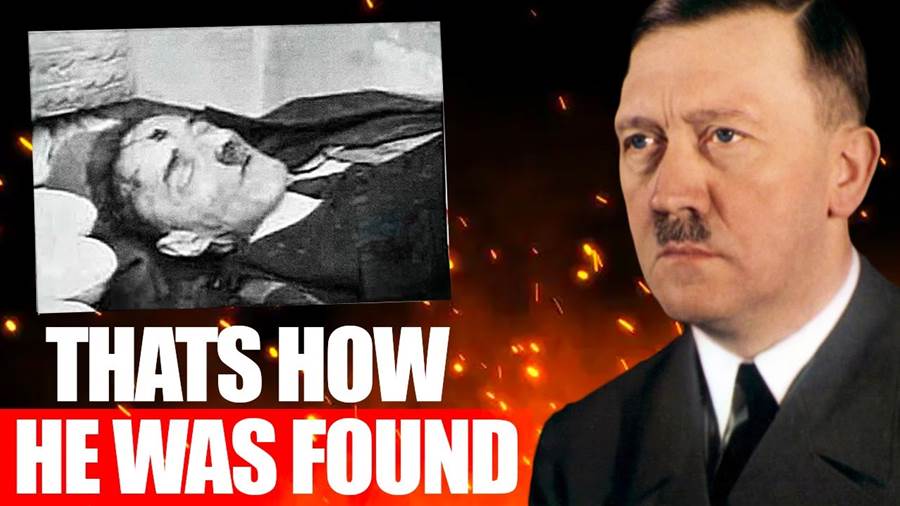
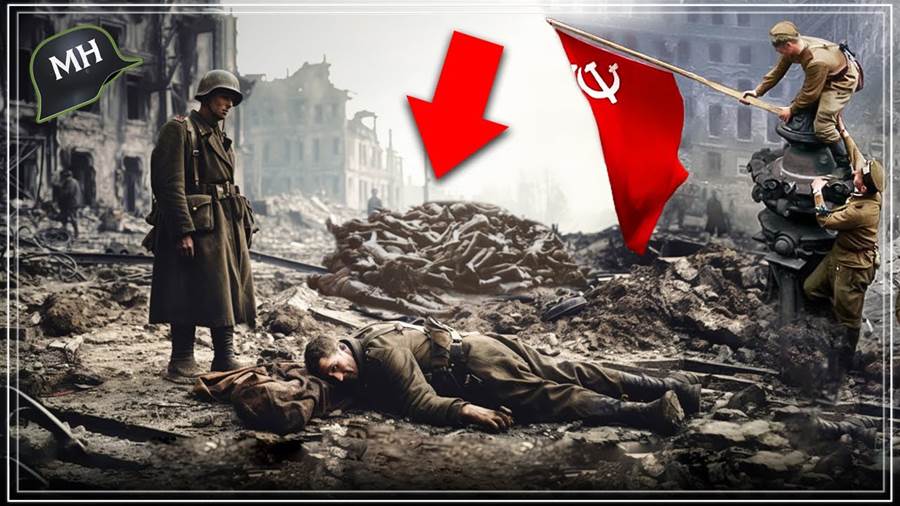
When Soviet troops finally pushed into central Berlin in May 1945, they reached the most infamous underground structure of the war: the Führerbunker. In those cramped, airless rooms, they confirmed not only the fall of the Third Reich, but the death of Adolf Hitler himself.For decades afterward, the world believed the story was over. The bunker was sealed, the ruins buried under concrete and apartment blocks in East Berlin. Its exact location was obscured, references scrubbed from maps, and serious study discouraged. The site was meant to disappear—physically and psychologically.Yet the place never fully left the world’s imagination. Rumors persisted of sealed rooms, missing documents, and unmarked remains. Soviet archives hinted at recovered bones and documents, but files were contradictory and heavily censored. Stalin himself refused for years to publicly confirm Hitler’s death, allowing conspiracy theories to flourish.The story of the bunker begins years earlier, with fear and obsession poured into concrete. The first phase, the Vorbunker, was built in 1936 as a simple air-raid shelter. As the war turned against Germany, Hitler demanded something far more extreme: a deep, reinforced fortress that could withstand direct bombing and gas attacks.Construction of the deeper Führerbunker began in 1943. Forced laborers—prisoners of war and political prisoners—worked under brutal conditions to complete it. Thousands of tons of concrete were poured. Walls and ceilings more than three meters thick encased a honeycomb of 18 rooms: living quarters, communications rooms, storage, ventilation, and Hitler’s personal suite with a study and an emergency exit.By January 1945, Berlin was collapsing. Hitler retreated underground permanently, surrounded by Joseph Goebbels, Martin Bormann, Eva Braun, SS guards, and a dwindling staff. From this sealed world he issued orders to divisions that no longer existed, drew lines on maps that had no meaning, and raged at generals who brought bad news. Above ground, the city burned. Below, he tried to pretend he still controlled events.In late April, with Soviet troops only streets away, Hitler dictated his last will and testament, married Eva Braun in a brief ceremony, and prepared for the end. On April 30, they took their own lives. Their bodies were partially burned in the courtyard outside. Soviet troops arriving soon after found chaos: scorched walls, scattered documents, and the remains of a regime that had imploded in its own bunker.After the war, Soviet authorities attempted to destroy the structure with explosives, then buried what remained. East Germany later built over the site and tried to erase it—no memorial, no signs, just anonymous housing blocks above one of the darkest places in modern history.Modern forensic work on fragments attributed to Hitler—most famously his jaw and dentures—has reinforced what eyewitnesses reported: Hitler died in Berlin in 1945. But the bunker itself, with its rotting walls and sealed spaces, remains a powerful symbol.More than just a ruin, it is a concrete reminder of how far a regime will go to cling to power—and how even the thickest walls cannot save it from collapse.